

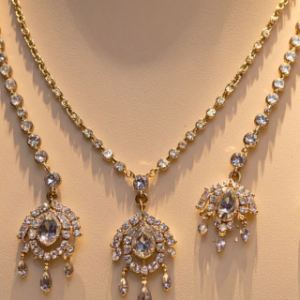


Best Tennis Bracelet in Gold: Expert Buying Guide
A tennis bracelet in gold is one of the most timeless pieces of fine jewelry you can own. Whether you’re purchasing your first bracelet, upgrading your jewelry collection, or searching for a meaningful gift, a gold tennis bracelet combines elegance, durability, and lasting value.
Unlike trend-driven accessories, a well-crafted tennis bracelet remains stylish for years. Its continuous row of gemstones—most commonly diamonds—set in precious gold creates a refined look suitable for everyday wear as well as formal occasions.
However, choosing the right bracelet involves more than selecting a beautiful design. Buyers should consider the type of gold, diamond quality, bracelet craftsmanship, clasp security, fit, and budget before making a decision. Best SEO Company UK: Proven Agencies Driving Massive Organic Traffic
This comprehensive guide explains everything you need to know, from understanding the different types of gold to comparing styles and selecting the bracelet that best suits your lifestyle. By the end, you’ll be equipped to make a confident and informed purchase.
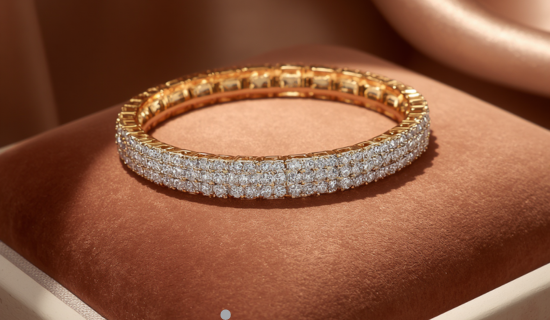
What Is a Tennis Bracelet in Gold?
Quick Answer
A gold tennis bracelet is a flexible bracelet featuring a continuous line of individually set gemstones—typically diamonds—mounted in solid gold. Its balanced design makes it suitable for both everyday elegance and special occasions. How to Make Big Money with High-Ticket Amazon Affiliate Niches in 2026
Originally known as an eternity bracelet, the design gained widespread popularity after professional tennis player Chris Evert famously paused a match to search for her diamond bracelet when it came undone. Since then, the term “tennis bracelet” has become synonymous with this iconic jewelry style.
Today, these bracelets are available in various gold options, including:
- Yellow gold
- White gold
- Rose gold
They can also feature:
- Natural diamonds
- Lab-grown diamonds
- Gemstones such as sapphires, rubies, emeralds, or moissanite
Although diamond tennis bracelets remain the most sought-after, the defining characteristic is the uninterrupted row of stones that creates a sleek, sophisticated appearance.
Ruby Birthstone Master Guide: Meaning, Value, Benefits & Gift Ideas
Why Gold Is the Preferred Choice
Gold has long been valued in fine jewelry for its beauty, corrosion resistance, and ability to complement a wide range of gemstones. Compared to alternative metals, gold offers:
- Exceptional longevity
- Timeless appeal
- Strong resale interest in many markets
- Comfortable everyday wear
- Versatile styling across casual and formal outfits
Its natural warmth and luxurious finish make it particularly well-suited for heirloom-quality jewelry.
The Future of Moonstone Jewelry in an AI-Powered World
Why Gold Tennis Bracelets Are So Popular
Quick Answer
Gold tennis bracelets remain popular because they combine classic design, everyday versatility, and long-term durability. Their elegant appearance allows them to complement nearly any wardrobe without feeling overly formal.
Unlike fashion jewelry that changes with seasonal trends, a gold tennis bracelet has maintained its popularity for decades. Many buyers view it as a lasting investment in style rather than a temporary accessory. Expert Gemstone Identifier: The Smart Way to Identify Any Gemstone
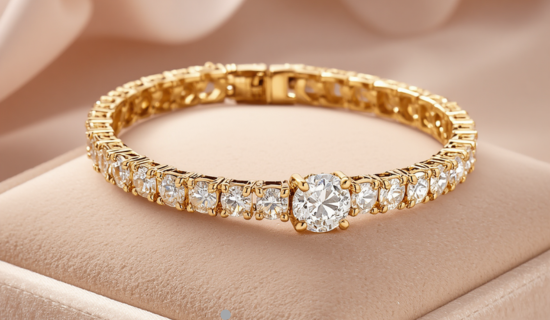
Types of Gold Used in Tennis Bracelets
Quick Answer
The best gold type depends on your priorities. 10K gold offers greater durability, 14K gold provides the ideal balance between strength and luxury, and 18K gold delivers the richest color with a higher gold content. Discover the Magical Birth Gemstone of December and Its Powerful Symbolism
Because pure gold is naturally soft, it is alloyed with other metals to improve strength and wear resistance.
10K Gold Tennis Bracelet
10K gold contains approximately 41.7% pure gold, making it the most durable option among common gold purities.
Best For
- Everyday wear
- Active lifestyles
- Budget-conscious buyers
Advantages
- Highly scratch resistant
- More affordable
- Outstanding durability
- Lower maintenance
Considerations
- Slightly lighter yellow color
- Lower gold content than 14K or 18K
If durability is your highest priority, 10K gold is a practical choice.
14K Gold Tennis Bracelet
14K gold contains approximately 58.5% pure gold and is widely considered the best balance between durability, appearance, and value.
It is the preferred choice for many luxury jewelers because it withstands everyday wear while maintaining a rich gold color.
Advantages
- Marvellous durability
- Rich gold appearance
- Better value than 18K
- Suitable for everyday wear
- Strong resale appeal
For many buyers, 14K gold represents the “sweet spot” between performance and luxury. Gold Tennis Bracelet: Everything You Need to Know Before You Buy
18K Gold Tennis Bracelet
Containing approximately 75% pure gold, 18K gold is prized for its deep, luxurious color and premium feel.
Best For
- Luxury buyers
- Special occasion jewelry
- Collectors
- Heirloom-quality pieces
Advantages
- Rich, vibrant gold color
- Higher precious metal content
- Luxurious finish
- Prestigious appearance
Considerations
- Softer than 14K gold
- Generally more expensive
- Requires slightly more care during daily wear
If you prioritize elegance and gold purity over maximum durability, 18K gold is an exceptional choice. Tennis Bracelet Diamond Prices Explained: Find the Best Value
Gold Purity Comparison
| Feature | 10K Gold | 14K Gold | 18K Gold |
|---|---|---|---|
| Gold Content | 41.7% | 58.5% | 75% |
| Durability | Excellent | Very Good | Good |
| Color Richness | Moderate | Rich | Deep & Luxurious |
| Everyday Wear | Excellent | Excellent | Very Good |
| Scratch Resistance | Highest | High | Moderate |
| Price | $$ | $$$ | $$$$ |
| Best For | Budget & Daily Wear | Most Buyers | Luxury Buyers |
Expert Tip: For most shoppers seeking a balance of beauty, durability, and value, a 14K gold tennis bracelet is the most practical choice. It offers lasting performance for daily wear while showcasing the rich appearance expected from fine gold jewelry.
tennis bracelet in gold
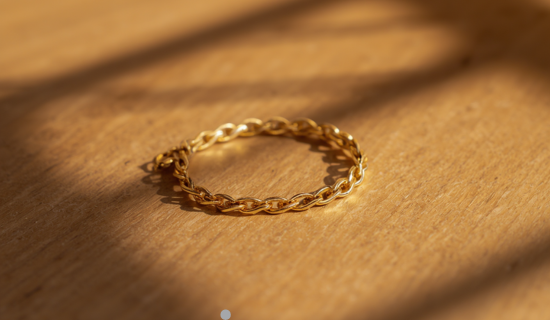
How to Choose the Best Tennis Bracelet in Gold
Quick Answer
The best tennis bracelet in gold is one that balances gold purity, diamond quality, craftsmanship, comfort, security, and your budget. Rather than focusing on a single feature, evaluate the bracelet as a complete piece of fine jewelry. Gold Tennis Bracelet Price Guide: Everything You Need to Know About Pricing
A tennis bracelet is designed to be worn for years, often becoming an everyday accessory or family heirloom. Paying attention to construction quality today can save you from costly repairs or disappointment later.
Before purchasing, compare these key factors:
- Gold purity
- Gold color
- Diamond quality
- Stone size
- Bracelet length
- Setting style
- Clasp security
- Overall craftsmanship
- Warranty and after-sales service
Choose the Right Gold Color
Quick Answer
The best gold color depends on your personal style, skin tone, and existing jewelry collection. Yellow, white, and rose gold each offer a distinct look while maintaining the same timeless tennis bracelet design. Tennis Bracelet: Everything You Need to Know Before Buying One
Gold
Yellow gold remains the most traditional and recognizable choice. Its warm tone complements classic jewelry styles and pairs beautifully with both natural and lab-grown diamonds.
Best for:
- Traditional elegance
- Warm skin tones
- Vintage-inspired collections
- Everyday luxury
Pros
- Timeless appearance
- Rich, warm color
- Minimal trend influence
- Easy to pair with other yellow gold jewelry
White Gold
White gold offers a sleek, modern aesthetic with a bright finish that enhances the brilliance of diamonds.
Many white gold bracelets are coated with rhodium to create their signature shine. Over time, this coating may require professional re-plating to maintain its appearance.
Best for:
- Contemporary style
- Cool skin tones
- Diamond-focused designs
- Minimalist wardrobes
Pros
- Modern appearance
- Enhances diamond sparkle
- Popular engagement jewelry match
- Versatile styling
Rose Gold
Rose gold has become increasingly popular thanks to its romantic blush tone.
Its unique color comes from the addition of copper alloys, creating a warm and distinctive appearance.
Best for:
- Fashion-forward buyers
- Romantic gifts
- Mixed-metal collections
- Vintage-inspired looks
Pros
- Unique appearance
- Warm feminine tone
- Less common than yellow or white gold
- Stylish without feeling trendy
Lab Created Diamond Tennis Bracelet Secrets: How to Choose the Perfect One
Gold Color Comparison
| Feature | Yellow Gold | White Gold | Rose Gold |
|---|---|---|---|
| Style | Classic | Modern | Romantic |
| Diamond Contrast | Excellent | Outstanding | Soft & Warm |
| Maintenance | Low | Moderate | Low |
| Everyday Wear | Excellent | Excellent | Excellent |
| Popularity | Very High | Very High | Growing |
Expert Tip: If most of your jewelry is already one gold color, choosing the same shade creates a cohesive look that’s easy to wear every day.
Understanding Diamond Quality
Quick Answer
When buying a diamond tennis bracelet, prioritize cut quality, consistency, and overall appearance rather than chasing the highest grades in every category. Uniform diamonds often create a more beautiful bracelet than a mix of individually superior stones.
Unlike a solitaire diamond, a tennis bracelet showcases many smaller diamonds working together. Their consistency matters more than any single stone.
The Four Cs
Cut
Cut determines how effectively a diamond reflects light.
Well-cut diamonds produce:
- Better brilliance
- Stronger sparkle
- Greater visual appeal
For a tennis bracelet, consistent cutting across every stone creates a seamless line of light.
Color
Diamond color ranges from colorless to light yellow.
Many buyers find that diamonds in the near-colorless range offer an excellent balance between beauty and value, especially when set in yellow gold.
Clarity
Clarity measures natural internal characteristics called inclusions.
Because tennis bracelets use smaller diamonds viewed together, slight inclusions are often invisible without magnification.
Choosing eye-clean diamonds can provide excellent value without compromising appearance.
Carat Weight
Carat measures diamond weight, not necessarily size.
For tennis bracelets, total carat weight (TCW) is commonly used to describe the combined weight of all diamonds.
Common options include:
- 1 CTW
- 2 CTW
- 3 CTW
- 5 CTW
- Higher luxury weights
Larger carat weights generally increase both visual impact and price.
Lab-Grown vs Natural Diamonds
Quick Answer
Both lab-grown and natural diamonds are real diamonds with the same chemical composition and durability. The primary differences are origin, rarity, and price.
Today’s buyers increasingly consider lab-grown diamonds because they can provide larger or higher-quality stones within the same budget.
Natural Diamonds
Natural diamonds form over millions of years beneath the Earth’s surface.
Advantages
- Naturally occurring
- Traditional appeal
- Long-established market
- Often chosen for heirloom jewelry
Considerations
- Higher price
- Limited supply
- Smaller diamonds at the same budget
Lab-Grown Diamonds
Lab-grown diamonds are created using advanced technology that replicates natural diamond formation.
Advantages
- More affordable
- Larger diamonds for the same budget
- Identical hardness
- Same sparkle as natural diamonds
Considerations
- Different resale dynamics
- Personal prefe
Bracelet Length and Fit Guide
Quick Answer
A tennis bracelet should fit comfortably without sliding excessively. A proper fit allows slight movement while remaining secure during everyday wear.
A bracelet that is too loose can snag on clothing or furniture, while one that is too tight may feel uncomfortable after several hours.
General Size Guide
| Wrist Size | Suggested Bracelet Length |
|---|---|
| 5.5 inches | 6.25–6.5 inches |
| 6 inches | 6.75 inches |
| 6.5 inches | 7 inches |
| 7 inches | 7.25–7.5 inches |
| 7.5 inches | 8 inches |
A simple rule is to leave enough room to comfortably slide one finger between your wrist and the bracelet.
Tennis Bracelet in Gold Price Guide
Quick Answer
The price of a gold tennis bracelet depends on several factors, including gold purity, total carat weight, diamond type, craftsmanship, brand, and overall design. There is no universal price because each combination of materials affects the final cost.
Factors That Influence Price
- Gold purity (10K, 14K, or 18K)
- Total gold weight
- Diamond quality
- Natural vs. lab-grown diamonds
- Total carat weight
- Setting style
- Brand reputation
- Handcrafted vs. mass-produced construction
General Price Expectations
| Bracelet Type | Typical Price Range* |
|---|---|
| 10K Gold with Lab Diamonds | Entry-level |
| 14K Gold with Lab Diamonds | Mid-range |
| 14K Gold with Natural Diamonds | Premium |
| 18K Gold with Natural Diamonds | Luxury |
*Actual prices vary depending on the jeweler, market conditions, diamond specifications, and precious metal prices.
Rather than choosing the lowest price, compare overall craftsmanship, warranty, and material quality to determine long-term value.
Common Buying Mistakes to Avoid
Even experienced shoppers can overlook important details when purchasing fine jewelry. Avoid these common mistakes:
- Choosing based only on price.
- Ignoring the quality of the clasp and safety latch.
- Buying the wrong bracelet length.
- Overlooking the consistency of the diamonds.
- Focusing only on total carat weight instead of overall craftsmanship.
- Not asking whether the diamonds are natural or lab-grown.
- Forgetting to check warranty and repair services.
- Purchasing without understanding the gold purity.
- Choosing a bracelet that doesn’t match your lifestyle.
A careful comparison today can prevent disappointment later.
Expert Buying Tips
If you want a bracelet you’ll enjoy for many years, keep these recommendations in mind:
- Choose 14K gold for the best balance of durability and luxury.
- Prioritize excellent craftsmanship over oversized diamonds.
- Inspect the clasp carefully—it is one of the most important safety features.
- Make sure the diamonds are evenly matched in size, color, and brilliance.
- Buy from a reputable jeweler that clearly discloses metal purity and diamond details.
- Ask about cleaning, maintenance, resizing, and repair policies before purchasing.
- If you’re shopping within a budget, consider lab-grown diamonds to maximize size and sparkle.
Pros and Cons of a Tennis Bracelet in Gold
| Pros | Cons |
|---|---|
| Timeless design | Premium models can be expensive |
| Suitable for daily wear | White gold may require rhodium re-plating |
| Excellent gift for milestones | Needs occasional professional inspection |
| Available in multiple gold colors | Clasp should be checked periodically |
| Easy to style with other jewelry | Higher carat weights increase cost |
| Can become an heirloom piece | Requires proper storage to prevent scratches |
Buyer Checklist Before You Purchase
Use this checklist to make a confident buying decision:
Choose the right gold purity (10K, 14K, or 18K).
Select your preferred gold color.
Decide between natural and lab-grown diamonds.
Compare total carat weight and diamond quality.
Verify bracelet length for a comfortable fit.
Inspect the clasp and safety mechanism.
Review warranty, return, and repair policies.
Purchase from a trusted jeweler with transparent product details.
How to Care for a Tennis Bracelet in Gold
Quick Answer
A tennis bracelet in gold can last for decades with proper care. Regular cleaning, careful storage, and periodic professional inspections help maintain its shine, protect the gemstones, and extend the life of the bracelet.
Although gold is a durable precious metal, daily wear exposes it to lotions, cosmetics, sweat, dust, and accidental impacts. A simple maintenance routine keeps your bracelet looking its best.
Expert Recommendation
If you’re buying a tennis bracelet in gold for everyday wear, prioritize quality craftsmanship over size alone.
A bracelet with:
- Secure settings
- A reliable box clasp with a safety latch
- Well-matched diamonds
- Comfortable flexibility
- Durable 14K gold construction
will often provide greater long-term satisfaction than a larger but lower-quality alternative.
For most buyers, a 14K gold tennis bracelet paired with well-cut diamonds—whether natural or lab-grown—offers the best balance of beauty, durability, and value.
Conclusion
A tennis bracelet in gold is much more than a fashionable accessory. Its timeless design, elegant appearance, and lasting durability make it one of the most versatile pieces of fine jewelry you can own.
Whether you prefer the classic warmth of yellow gold, the sleek sophistication of white gold, or the romantic charm of rose gold, choosing the right bracelet comes down to understanding the details that matter most—gold purity, diamond quality, craftsmanship, fit, and secure construction.
Rather than focusing solely on price or carat weight, evaluate the bracelet as a complete piece of jewelry designed to be worn and enjoyed for years. A well-made tennis bracelet not only complements your personal style but can also become a meaningful keepsake passed down through generations.
Take the time to compare options, ask questions about materials and craftsmanship, and buy from a trusted jeweler who provides clear product information and reliable after-sales support. An informed purchase today can reward you with a beautiful piece you’ll appreciate for decades.
Frequently Asked Questions (FAQ)
1. What is a tennis bracelet in gold?
A tennis bracelet in gold is a flexible bracelet featuring a continuous row of gemstones—most commonly diamonds—set in solid gold. It is known for its elegant, symmetrical design and is suitable for both everyday wear and formal occasions.
2. Which gold is best for a tennis bracelet?
For most buyers, 14K gold offers the best balance of durability, color, and value. If you prefer a richer gold color and don’t mind extra care, 18K gold is an excellent luxury option. 10K gold is ideal for those prioritizing durability and affordability.
3. Can I wear a gold tennis bracelet every day?
Yes. A well-crafted gold tennis bracelet is designed for regular wear. Choosing a secure clasp, durable gold alloy, and proper fit helps ensure long-lasting performance. Removing it during strenuous activities can further extend its lifespan.
4. Are lab-grown diamonds good for a gold tennis bracelet?
Yes. Lab-grown diamonds have the same chemical composition, hardness, and brilliance as natural diamonds. They often provide better value, allowing buyers to choose larger or higher-quality diamonds within the same budget.
5. How much should a tennis bracelet in gold cost?
Pricing depends on several factors, including gold purity, total gold weight, diamond quality, total carat weight, gemstone type, craftsmanship, and brand. Rather than comparing prices alone, evaluate the overall quality and materials used.
6. What bracelet length should I choose?
Your bracelet should fit comfortably without being too tight or excessively loose. A good rule is to allow enough space to slide one finger between your wrist and the bracelet for comfortable everyday wear.
7. Which gold color is the most popular?
Yellow gold and white gold remain the most popular choices. Yellow gold offers a classic look, while white gold provides a contemporary appearance that enhances the brilliance of diamonds. Rose gold is a stylish alternative for those seeking a distinctive look.
8. How do I know if a gold tennis bracelet is genuine?
Look for metal purity hallmarks such as 10K, 14K, or 18K, request documentation when available, and purchase from a reputable jeweler who clearly discloses the bracelet’s materials and craftsmanship.
9. How often should I clean my tennis bracelet?
Light cleaning every few weeks and a professional inspection once or twice a year help maintain its appearance and ensure the stones and clasp remain secure.
10. Is a tennis bracelet in gold a good gift?
Yes. A gold tennis bracelet is a timeless gift for anniversaries, birthdays, graduations, weddings, holidays, or other significant milestones. Its classic design makes it suitable for many personal styles and occasions.