

Gemstone for Good Luck
Have you ever wondered why people wear certain gemstones for luck, wealth, and protection? Throughout history, different cultures have connected beautiful stones with positive meanings. Some believe these crystals attract prosperity, improve confidence, and encourage new opportunities.
Choosing a gemstone for good luck can also be a personal experience. You might prefer a green stone for prosperity or a golden crystal for success. Others choose moonstone for emotional balance and new beginnings. Expert Gemstone Identifier: The Smart Way to Identify Any Gemstone
However, gemstones have different meanings across cultures. Their traditional associations are interesting, but science hasn’t proven that they change someone’s luck or future.
Let’s explore seven popular gemstones, their meanings, and the traditions behind them.
1. Jade: The Traditional Stone of Prosperity
Jade has remained an important gemstone in several Asian cultures for thousands of years. People admire its green shades, smooth texture, and lasting beauty.
In Chinese culture, jade represents purity, wisdom, and virtue. Many people also connect it with prosperity, success, and good fortune.
The Gemological Institute of America explains jade’s long cultural history and importance. Jadeite and nephrite are its two main gem materials.
People often choose jade jewelry because of its traditional meaning.
Why people choose jade:
- Prosperity and financial success.
- Protection and positive intentions.
- Wisdom and personal growth.
- Harmony and balance.
A jade bracelet makes a meaningful gift for someone starting a business. It can also represent hope during an important life change.
“Jade carries a history that goes far beyond its beautiful green color.”
Discover the Magical Birth Gemstone of December and Its Powerful Symbolism
However, jade quality varies considerably. Always check whether you’re buying jadeite or nephrite. Ask about treatments and request reliable identification for expensive pieces.
2. Citrine: The Stone Associated With Wealth
Citrine is famous for its warm yellow and golden-orange colors. Its bright appearance makes it a popular choice for gemstone jewelry.
Many traditional beliefs connect citrine with money, success, confidence, and prosperity. Some people even call it the merchant’s stone.
According to the American Gem Society, ancient cultures connected citrine with prosperity and calming emotions. Egyptians reportedly used citrine as a protective talisman.
Gemstone Home Décor Masterclass: Best Gemstones, Room Ideas & Styling Secrets
Today, entrepreneurs and jewelry lovers often choose citrine for its traditional connection with abundance.
Traditional meanings of citrine include:
- Wealth and financial opportunities.
- Business growth and success.
- Confidence and creativity.
- Happiness and positive thinking.
Citrine belongs to the quartz family. Its colors range from pale yellow to brownish orange.
Interestingly, natural citrine is relatively rare. Much commercial citrine receives heat treatment from amethyst.
The Gemological Institute of America provides useful information about its properties and identification.
15 Best Protection Gemstones That Everyone Should Know About
If you’re buying citrine jewelry, ask the seller about its origin and treatment.
“A golden gemstone can become a beautiful reminder of your goals.”

3. Moonstone: The June Birthstone Associated With Good Luck
Moonstone is one of the most fascinating gemstones in traditional jewelry. Its soft glow creates an appearance similar to moonlight.
This gemstone belongs to the feldspar mineral group. Its special optical effect is called adularescence.
Moonstone is one of three recognized June birthstones. The other two are pearl and alexandrite.
According to the Gemological Institute of America, moonstone has connections with ancient Roman and Greek lunar deities. Hindu mythology also describes it as solidified moonbeams.
Many traditional beliefs connect moonstone with love, passion, fertility, and good fortune.
Why people love moonstone:
- Love and emotional connection.
- New beginnings and fresh opportunities.
- Personal growth and inner peace.
- Traditional beliefs about good fortune.
Moonstone jewelry comes in rings, necklaces, pendants, and bracelets. Its blue or white glow makes it especially attractive.
A moonstone pendant can also make a thoughtful June birthday gift.
However, moonstone needs gentle care. Its hardness ranges from 6 to 6.5 on the Mohs scale. Avoid steam and ultrasonic cleaners.
Use warm, soapy water and a soft brush instead.
“Moonstone reminds people that even a little light can feel meaningful.”
4. Tiger’s Eye: A Traditional Symbol of Courage
Tiger’s eye is known for its golden-brown colors and striking reflective bands. Its appearance resembles the eye of a tiger.
This gemstone is popular in bracelets, rings, pendants, and decorative pieces.
In modern crystal traditions, tiger’s eye is associated with courage, confidence, focus, and protection.
Some people choose it when starting a new business or facing important decisions. Others simply appreciate its bold appearance.
Popular symbolic meanings include:
- Courage during difficult situations.
- Confidence and self-belief.
- Focus on personal goals.
- Protection in traditional crystal beliefs.
Tiger’s eye is particularly popular among people who prefer darker gemstones. It pairs well with silver and gold jewelry.
If you enjoy meaningful accessories, a tiger’s eye bracelet can represent strength and determination.
Remember that these meanings come from traditional and modern crystal beliefs. They aren’t scientifically established effects.
5. Green Aventurine: The Stone of Opportunity
Green aventurine is another popular choice among crystal enthusiasts. Its green color and gentle sparkle make it attractive.
Many people associate this gemstone with luck, opportunity, growth, and fresh starts.
It’s sometimes called the stone of opportunity. This name reflects its traditional connection with positive changes and new possibilities.
People often select green aventurine when pursuing business goals or personal projects.
Traditional associations include:
- New opportunities and personal growth.
- Financial prosperity.
- Confidence during important changes.
- Optimism and positive intentions.
Green aventurine is a variety of quartz. Its sparkling appearance often comes from tiny mineral inclusions.
You can find it in polished stones, bracelets, beads, and pendants.
Imagine someone preparing to launch a small online business. They might choose a green aventurine bracelet as a personal symbol of confidence.
The bracelet won’t guarantee sales. However, it can remind its owner to stay focused and keep working.
6. Garnet: A Symbol of Strength and Protection
Garnet is famous for its deep red color. However, this gemstone family includes several other colors.
People have valued garnets for centuries. Their rich appearance makes them popular in both modern and traditional jewelry.
Historically, garnets appeared in decorative objects and personal jewelry. Some traditional beliefs connect them with protection, strength, and safe journeys.
Today, many people wear garnet jewelry to represent passion and determination.
Popular symbolic meanings include:
- Strength and courage.
- Protection during travel.
- Passion and commitment.
- Confidence and personal energy.
Garnet also makes an attractive January birthstone gift.
Its deep red shades pair beautifully with gold and silver settings. You can find garnet in rings, earrings, necklaces, and bracelets.
If you prefer meaningful jewelry with a classic appearance, garnet deserves consideration.
7. Amethyst: The Stone of Peace and Clarity
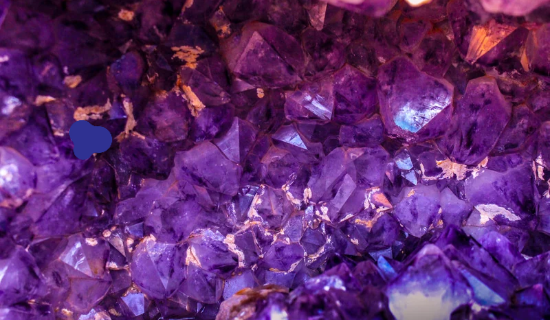
Amethyst is a purple variety of quartz. Its shades range from pale lavender to deep violet.
Ancient Greeks connected amethyst with protection against drunkenness. Over time, the gemstone developed other traditional associations.
Today, many crystal enthusiasts connect amethyst with peace, wisdom, calmness, and spiritual awareness.
It’s also the traditional February birthstone.
Why people choose amethyst:
- Peace and emotional balance.
- Wisdom and personal awareness.
- Confidence and thoughtful decisions.
- Calmness during stressful periods.
Amethyst looks beautiful in silver jewelry. Its purple color also works well with gold settings.
Some people keep polished amethyst stones on their desks. Others prefer wearing them as daily accessories.
Either way, its traditional meaning can serve as a reminder to pause and make thoughtful choices.
Comparison of Popular Gemstones for Good Fortune
Every gemstone has a different appearance and cultural meaning. The following table compares seven popular choices.
| Gemstone | Traditional meaning | Popular color |
|---|---|---|
| Jade | Prosperity and success | Green |
| Citrine | Wealth and abundance | Yellow or orange |
| Moonstone | Love and new beginnings | White or blue |
| Tiger’s eye | Courage and protection | Golden brown |
| Green aventurine | Luck and opportunity | Green |
| Garnet | Strength and protection | Deep red |
| Amethyst | Peace and wisdom | Purple |
These meanings describe cultural traditions and modern crystal beliefs. They don’t represent scientifically proven benefits.
How to Choose the Right Lucky Gemstone
Choosing a meaningful stone doesn’t have to be complicated. Start with its appearance, symbolism, and practical qualities.
Your personal preferences matter more than popular trends.
1. Consider Your Personal Goals
Think about what the gemstone represents to you.
For example, citrine is traditionally connected with prosperity. Jade represents success in several cultural traditions. Moonstone is often associated with new beginnings.
Choose a stone whose meaning matches your intentions.
2. Consider Your Birth Month
Birthstones provide another way to select meaningful jewelry.
Moonstone, pearl, and alexandrite are recognized June birthstones. Amethyst represents February, while garnet represents January.
A birthstone can make a thoughtful personal gift.
3. Check the Gemstone’s Quality
Appearance alone doesn’t establish authenticity.
Before purchasing, check the following details:
- Natural, synthetic, or imitation material.
- Any treatments used to improve color.
- Color consistency and visible inclusions.
- Seller reputation and return policy.
For expensive purchases, consider an independent gemological report.
4. Choose Jewelry You’ll Actually Wear
A gemstone should suit your lifestyle.
For everyday jewelry, consider the stone’s hardness and toughness. Some gemstones need more protection than others.
For example, moonstone requires more careful handling than many quartz varieties.
Gemstone Hardness and Care Comparison
The Mohs scale measures a mineral’s resistance to scratching. It doesn’t measure overall toughness or resistance to breaking.
Here is a basic comparison of the featured gemstones.
| Gemstone | Approximate Mohs hardness | Care advice |
|---|---|---|
| Jade | 6–7 | Avoid harsh impacts |
| Citrine | 7 | Avoid sudden heat |
| Moonstone | 6–6.5 | Avoid ultrasonic cleaning |
| Tiger’s eye | 7 | Clean with mild soap |
| Green aventurine | 6.5–7 | Avoid strong impacts |
| Garnet | 6.5–7.5 | Protect from hard knocks |
| Amethyst | 7 | Avoid prolonged intense heat |
These ranges are general guides. Individual varieties and gemstone quality can differ.
Do Gemstones Really Bring Good Luck?
This is one of the most common questions among gemstone lovers.
Different cultures have developed beliefs about stones and their symbolic powers. Some people wear them for protection, prosperity, love, or confidence.
However, there is no reliable scientific evidence that gemstones directly attract money, change fate, or guarantee success.
Their value can still be personal and cultural.
For example, wearing a meaningful bracelet might remind someone of an important goal. A special pendant might represent a fresh start.
These personal connections can make jewelry emotionally meaningful.
The best approach is to enjoy gemstones for their beauty, history, and symbolism. Don’t treat them as substitutes for practical decisions or professional advice.
How to Care for Your Lucky Gemstone
Proper care helps preserve your gemstone jewelry for years.
Different stones need different cleaning methods. Always consider the material before choosing a cleaning product.
Follow these simple precautions:
- Store gemstones separately to prevent scratches.
- Remove jewelry before heavy physical activities.
- Avoid harsh chemicals and strong cleaning products.
- Use a soft cloth for regular cleaning.
- Ask a jeweler about safe cleaning methods.
Moonstone needs particular care because of its relatively low toughness. Pearls also need gentle handling because they’re softer than most mineral gemstones.
A little attention can help your favorite jewelry remain beautiful.
Conclusion
Gemstones have fascinated people for thousands of years. Their beauty, cultural history, and traditional meanings make them special.
Whether you prefer jade, citrine, moonstone, tiger’s eye, or amethyst, each stone offers something different.
The best gemstone for good luck is ultimately one whose meaning feels personal to you.
Choose carefully, check authenticity, and enjoy the beauty of your jewelry. Let its symbolism remind you of your goals, confidence, and positive intentions.
Remember, real success also depends on your decisions, effort, and opportunities.
Frequently Asked Questions
1. Which gemstone is considered the luckiest?
Jade, citrine, and green aventurine are popular choices. Their traditional meanings include prosperity, wealth, and good fortune. The idea of luck varies across cultures.
2. Which gemstone attracts money and wealth?
Citrine is traditionally associated with wealth and abundance. Jade also has a strong cultural connection with prosperity and success. Neither stone is scientifically proven to attract money.
3. Is moonstone a lucky gemstone?
Yes, moonstone has a long history of good-luck beliefs. It is also associated with love, passion, and fertility. It is one of the three recognized June birthstones.
4. Which gemstone is best for business success?
Citrine and jade are popular choices for business-related symbolism. Citrine represents abundance, while jade is associated with prosperity and success. Choose based on your personal preference.
5. Can I wear multiple lucky gemstones together?
Yes, you can wear different gemstones together. Consider their hardness, jewelry settings, and cleaning needs. Store softer stones separately to prevent scratches.
6. How do I know if a lucky gemstone is real?
Buy from a reputable gemstone seller. Ask about natural or synthetic origin and any treatments. For expensive stones, request an independent gemological identification report.