



What jobs will artificial intelligence replace? Artificial Intelligence (AI) is no longer a futuristic concept—it’s actively transforming industries worldwide. Many people are asking: “What jobs will artificial intelligence replace?” Understanding this is crucial for anyone planning their career in the age of automation. In this article, we’ll explore jobs AI will replace, the industries most affected, and which careers are safe from AI. Jobs With Artificial Intelligence That Are Booming Right Now (Future-Proof Careers)
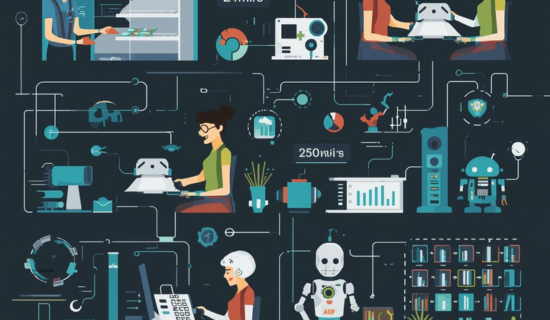
Which Jobs AI Will Replace: An Overview
AI excels at handling repetitive, data-driven, and predictable tasks. According to experts, AI automation jobs are growing rapidly in sectors like manufacturing, finance, customer service, and administrative work. The Ultimate Guide to Robots.txt: Prevent Google Indexing Issues
Here is an example: What jobs will artificial intelligence replace?
1. Administrative & Clerical Jobs
AI tools can process large amounts of information faster and with fewer errors, making these occupations likely to be taken over by AI. Most Common Keyword Google Mistakes (And How to Fix Them)
2. Customer Service Jobs
With AI chatbots and virtual assistants, AI in the workplace is replacing routine customer service tasks, providing 24/7 support.
AI Productivity Tools 2026: How Top Teams Automate and Outperform
3. Manufacturing & Manual Labor Jobs: What jobs will artificial intelligence replace?
- Assembly line workers
- Quality inspection roles
- Routine machine operation
In manufacturing, AI-powered robots and smart machines are transforming workflows, leading many to question whether AI will take their jobs in this sector.
Best Laptop for a Hackintosh: What It Is and Its Value in the AI Era
4. Transportation & Delivery Jobs
- Truck drivers
- Delivery drivers
- Taxi and rideshare drivers
Self-driving vehicles are a real example of AI-driven job automation, showing how technology affects long-established careers.
Best laptop for Hacking, Exploring with AI, and powerful Recommendations
5. Data & Analysis Jobs
- Basic accounting tasks
- Report generation
- Market research and data analysis
AI can process datasets and generate reports faster than humans, making these jobs highly susceptible to automation. LinkGraph Alternative: Why Wonbolt Delivers Better SEO Results Emerging Technology Trends to Watch
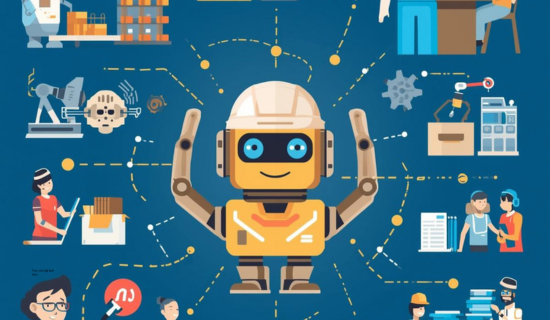
Technical SEO Specialist Explained: Everything You Need to Know
Industries Most Affected by AI: What jobs will artificial intelligence replace?
Different industries experience AI disruption differently. Here’s a breakdown:
- AI in healthcare jobs: AI assists in diagnostics, monitoring, and administrative tasks. Nurses and doctors are still essential, but some support roles may be reduced.
- Finance jobs in AI: Automated trading, risk analysis, and fraud-detection tools are reshaping careers in finance.
- Creative job in AI: Basic graphic design, logo creation, and content writing can be handled by AI, but highly creative work remains human-centric.
- AI in customer service jobs: Many routine support tasks are replaced by virtual assistants.
These examples highlight how AI is replacing human jobs in specific sectors while still requiring human oversight.
AI Boom 2026: What Stocks to Buy for Artificial Intelligence Right Now
Jobs Partially Impacted by AI: What Jobs Will Artificial Intelligence Replace
Not all jobs will be fully replaced. Many roles will evolve as AI takes over repetitive tasks, allowing humans to focus on strategic or creative work:
- Marketing and sales: AI generates insights and content, humans handle strategy.
- Healthcare: AI assists with diagnostics, but patient care requires human judgment.
- Finance: AI handles calculations and data, humans focus on decision-making.
- Education: AI tutors students and grades tests, and teachers guide learning.
These roles show AI workforce transformation is more about augmentation than total replacement. The Ultimate 2026 Guide to Best AI Tools for Science Research and Data Innovation
Jobs Safe From AI: What jobs will artificial intelligence replace?
Roles that require empathy, creativity, and critical thinking are less likely to be replaced:
- Psychologists, therapists, and social workers
- Scientists and researchers
- Strategic leaders and managers
- Skilled trades (electricians, plumbers, carpenters)
- Original artists, writers, and designers
If you’re considering your future career, focusing on these fields can safeguard against AI career disruption.
Best Laptop for Pentesting (2026 Complete Guide)
Unlock the Secrets of AI Risk Management: Protect, Govern, and Thrive
How to Prepare for AI Job Automation
- Upskill and Reskill: Learn new technologies, data analytics, AI tools, and soft skills.
- Focus on Creativity & Critical Thinking: Roles that require innovation cannot be easily automated.
- Embrace Hybrid Careers: Combine human skills with AI tools for maximum productivity.
- Stay Informed About AI Trends: Monitor AI job automation trends and adjust your career path. Understanding Ai Monitization: Make Money Artificial Intelligence
How to Do On Page SEO: A Complete 25-Step Work List for Better Rankings
FAQ: What Jobs Will Artificial Intelligence Replace
Q1: What jobs will artificial intelligence replace first?
A1: AI is most likely to replace jobs that involve repetitive, predictable tasks. Examples include data entry clerks, payroll clerks, call center operators, and basic bookkeeping roles. These are considered AI automation jobs, and industries such as manufacturing, customer service, and finance are highly affected.
Q2: Which industries are most affected by AI job automation?
A2: AI in the workplace is transforming multiple sectors:
- Healthcare jobs: AI assists with diagnostics and patient monitoring.
- Finance jobs: Automated trading and fraud detection reduce manual tasks.
- Customer service jobs: Chatbots and virtual assistants handle routine inquiries.
- Manufacturing jobs: Robots and smart machines replace assembly line roles.
Q3: Are there jobs safe from AI replacement?
A3: Yes. Roles requiring creativity, empathy, and critical thinking are generally safe. These include scientists, artists, psychologists, skilled tradespeople such as electricians, and strategic leaders. Choosing such careers reduces the risk of AI career disruption. Best Tools for SEO Optimization (Free & Paid) That Actually Work
Q4: Will AI take my job?
A4: Whether AI replaces your job depends on your industry and role. Positions with repetitive tasks—such as data entry, report generation, or routine content creation—are more at risk. Roles requiring human judgment, strategy, or creativity are less likely to be replaced. Everything You Need to Know About Google AI Studio Free AI Tools (2026 Edition)
Q5: How is AI replacing human jobs?
A5: Artificial intelligence replacing jobs works by automating tasks previously done by humans. AI tools can perform report generation, market research, payroll processing, customer query handling, and even basic graphic design or content writing. This reduces the need for human intervention in these areas. Understanding Ai Monitization: Make Money from Artificial Intelligence
Q6: What are examples of jobs AI will replace in manufacturing?
A6: AI in manufacturing jobs includeassembly line workers, machine operators, and quality inspectors. Robots and smart machines can work faster and with fewer errors, representing occupations AI will take over in the industrial sector.
Q7: How will AI impact creative jobs?
A7: AI is increasingly handling repetitive creative tasks, such as logo generation, simple graphic design, and automated content writing. However, roles that require originality, complex problem-solving, or artistic creativity remain largely safe.
Q8: What careers will evolve due to AI?
A8: Many jobs won’t disappear; they’ll change. For example:
- Marketing and sales: AI generates insights and content; humans manage strategy.
- Healthcare: AI assists with diagnostics; doctors focus on patient care.
- Finance: AI handles calculations; humans oversee decision-making.
This demonstrates AI workforce transformation rather than total replacement.
Q9: How can I future-proof my career against AI?
A9: To stay ahead of AI job automation trends, you should:
- Upskill in emerging technologies and AI tools.
- Focus on critical thinking, creativity, and strategy.
- Embrace hybrid roles combining human judgment with AI assistance.
- Stay informed about AI in the workplace and industries most affected.
Q10: Will AI completely replace jobs in the future?
A10: Not entirely. AI is better at automating tasks rather than whole jobs. Many roles will evolve rather than vanish, and new careers will emerge that leverage AI technology. Staying adaptable is key to navigating the threat of artificial intelligence in the job market.
Q11: What are the long-term trends of AI job replacement?
A11: Future jobs AI will replace focus on routine, repetitive, and predictable tasks across sectors. Meanwhile, human-centric roles emphasizing strategy, creativity, and emotional intelligence are on the rise. Understanding AI career disruption trends helps workers prepare for the future.
Q12: Can AI replace all customer service jobs?
A12: AI can handle routine customer interactions through chatbots and virtual assistants, but complex queries requiring empathy or judgment still need human intervention. Thus, AI in customer service jobs replaces some tasks but not entire roles.
Q13: Are there any AI-safe industries?
A13: Industries that heavily rely on human creativity, critical thinking, or emotional intelligence remain safer from AI replacement. These include art, psychology, research, strategic management, and skilled trades.
Q14: How does AI impact the future of work?
A14: AI reshapes the future of work by automating routine tasks, increasing efficiency, and enabling humans to focus on higher-value tasks. Understanding AI job automation trends helps employees adapt and remain competitive.
Q15: How do I find careers that AI cannot replace?
A15: Focus on roles requiring unique human judgment, problem-solving, and creativity. Industries such as research, creative arts, skilled trades, leadership, and healthcare often offer careers resistant to AI job disruption.
Q16: What jobs will AI replace the most?
A1: Administrative, customer service, manufacturing, and data analysis jobs are most affected.
Q17: Are there any careers that are safe from AI?
A2: Yes, jobs requiring creativity, empathy, and strategic thinking remain safe.
Q18: Will AI take my job?
A3: It depends on your industry and role. Routine, repetitive tasks are more at risk.
Q19: How is AI changing the workplace?
A4: AI automates repetitive tasks, enhances decision-making, and allows humans to focus on strategic work.
Q19: Can I prepare for AI job automation?
A5: Upskilling, reskilling, and focusing on creative and strategic skills are key strategies.
Conclusion: The Future of Work with AI
Understanding what jobs will artificial intelligence replace is crucial for career planning. AI will transform industries, replace certain roles, and create new opportunities. The key is to adapt, upskill, and focus on uniquely human skills that AI cannot replicate.