


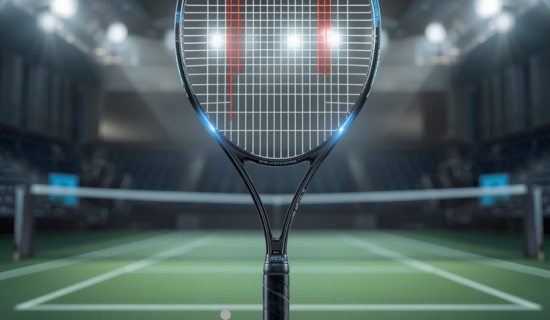
Tennis Racket Technology: Game-Changing Tennis Racket Technology Every Player Should Know
Whether you’re a beginner learning the basics or a competitive player searching for every performance advantage, understanding tennis racket technology can significantly improve your game.
Modern tennis rackets are no longer simple frames with strings. Today’s rackets incorporate aerospace-grade materials, vibration-reduction systems, smart sensors, AI-powered analytics, and advanced aerodynamic designs. Tech Tennis: How Technology Is Revolutionizing the Modern Game
This guide explores the science behind tennis racket technology, how it has evolved, and what innovations matter most when choosing your next racket.
What Is Artificial Intelligence and Law? A Simple Guide for Everyone
What Is Tennis Racket Technology?
Tennis racket technology refers to the materials, engineering designs, and performance-enhancing innovations used in modern tennis rackets.
Manufacturers continuously develop new technologies to improve:
- Power
- Spin generation
- Control
- Stability
- Comfort
- Vibration reduction
- Swing speed
- Injury prevention
Modern rackets are engineered to help players maximize performance while minimizing strain on the arm and shoulder.
Day AI in Business: How Artificial Intelligence Is Used Right Now?
Evolution of Tennis Racket Technology
Wooden Era (1870s–1970s)
Early tennis rackets were made entirely from wood.
Characteristics:
- Small sweet spot
- Heavy frame
- Less power
- Limited durability
Popular materials included:
- Ash
- Maple
- Walnut
Players relied heavily on technique due to equipment limitations.
Metal Racket Revolution
In the 1970s, aluminum rackets changed the sport.
Benefits included:
- Increased durability
- Larger head sizes
- More forgiveness
- Improved power
This era laid the foundation for modern racket engineering.
AI Voice Generator Free: Best Tools for YouTube Automation
Graphite and Composite Era
The introduction of graphite transformed racket performance.
Advantages:
- Lightweight construction
- Exceptional strength
- Greater maneuverability
- Increased power
Today, most premium rackets use graphite composites. Best Tools for SEO Optimization (Free & Paid) That Actually Work
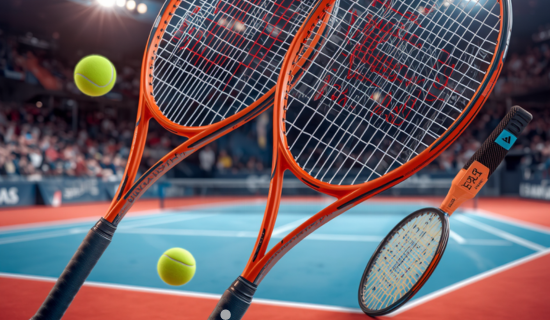
Tennis Racket Materials Explained
Graphite
Graphite remains the industry standard.
Benefits:
- Lightweight
- Strong
- Responsive
- Excellent control
Most professional players use graphite-based rackets.
Carbon Fiber
Carbon fiber provides exceptional stiffness and energy transfer.
Advantages include:
- Faster swing speeds
- Improved power
- Better stability
- Enhanced durability
Many manufacturers market advanced carbon fiber technologies.
Kevlar
Kevlar adds rigidity and durability.
Benefits:
- Increased control
- Reduced frame twisting
- Enhanced precision
Some rackets combine graphite and Kevlar for optimal performance.
Artificial Intelligence Voice Recording Made Easy: Free & Paid Tools Explained
Basalt Fibers
Basalt technology helps absorb shock.
Benefits:
- Improved comfort
- Less vibration
- Reduced arm fatigue
Best AI Voice Cloning Tools in 2026 (Tested & Ranked)
Tennis Racket Frame Technology
Frame design significantly affects performance.
Beam Width Technology
Thick Beams
Advantages:
- More power
- Greater stability
Thin Beams
Advantages:
- Better feel
- Improved control
Head Size Technology
Mid-Size Rackets
- Superior precision
- Preferred by advanced players
Oversized Rackets
- Larger sweet spot
- More forgiveness
Best Artificial Intelligence Voice Generators (Free & Paid 2026)
Aerodynamic Frame Design
Manufacturers optimize frame shapes to reduce air resistance.
Benefits:
- Faster racket head speed
- Increased spin generation
- Better maneuverability
Popular among aggressive baseline players.
Tennis Racket String Technology
Strings are equally important as the frame.
Polyester Strings
Benefits:
- High spin potential
- Durability
- Control
Popular among professional players. Can AI Build a Perfect Resume? Best Free Tools Revealed
Multifilament Strings
Advantages:
- Comfort
- Power
- Shock absorption
Ideal for recreational players.
Natural Gut Strings
Known for:
- Exceptional feel
- Maximum power
- Superior comfort
Often considered the premium string option. Everything You Need to Know About AI Jewelry Design Tools in 2026
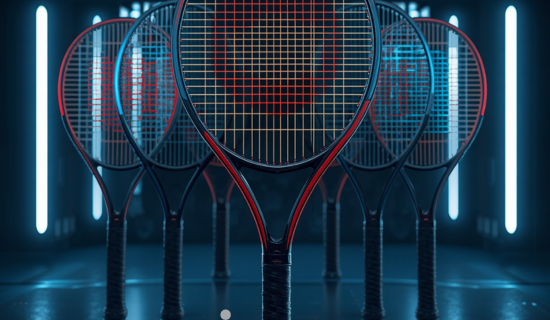
Spin Technology in Modern Tennis Rackets
Modern rackets are engineered to create more spin.
Technologies include:
- Open string patterns
- Spin grommets
- Aerodynamic frames
- Enhanced snapback systems
Benefits:
- Higher ball trajectory
- Better court control
- Increased shot aggression
The Future of Moonstone Jewelry in an AI-Powered World
Power Technology in Tennis Rackets
Power-enhancing technologies help players generate pace with less effort.
Examples include:
Energy Return Systems
These systems store impact energy and return it to the ball.
Benefits:
- More depth
- Faster shots
- Easier power generation
Unlock Massive Traffic With This SEO Roadmap Strategy
Enlarged Sweet Spots
Advanced engineering creates larger effective hitting zones.
Benefits:
- More consistency
- Better forgiveness
- Reduced mishits
Vibration Dampening Technology
One of the most important innovations in modern rackets.
Why Vibration Matters
Excess vibration can contribute to:
- Tennis elbow
- Arm fatigue
- Reduced comfort
7 Powerful Laptops Under $700 That Freelancers Swear By
Modern Dampening Solutions
Manufacturers use:
- Foam-filled frames
- Basalt fibers
- Silicone inserts
- Shock-absorbing handles
Benefits:
- Improved comfort
- Better feel
- Reduced injury risk
Smart Tennis Rackets and AI Technology
Smart tennis rackets represent the future of tennis equipment.
Built-in sensors can track:
- Swing speed
- Ball impact location
- Spin rate
- Shot count
- Match statistics
Examples include connected rackets from major brands that sync with mobile applications.
Benefits:
- Performance analysis
- Skill improvement
- Data-driven coaching
How AI Is Influencing Tennis Racket Technology
Artificial intelligence is becoming a major force in sports equipment development.
AI can help:
- Analyze player swings
- Recommend racket specifications
- Predict performance outcomes
- Optimize training sessions
Future rackets may adapt dynamically to player styles using smart technology.
Best Tennis Racket Technologies by Playing Style
For Power Players
Look for:
- Thick beam frames
- Large head sizes
- Stiff carbon fiber construction
For Spin Players
Choose:
- Open string patterns
- Aerodynamic frames
- Spin-enhancing grommets
For Control Players
Ideal features:
- Thin beam designs
- Smaller head sizes
- Flexible graphite construction
For Comfort Seekers
Prioritize:
- Vibration-damping systems
- Multifilament strings
- Flexible frames
Future Trends in Tennis Racket Technology
Emerging innovations include:
- AI-powered rackets
- Advanced carbon composites
- 3D-printed racket components
- Smart grip sensors
- Personalized racket customization
- Real-time performance analytics
The future of tennis equipment is becoming increasingly data-driven.
Best Tennis Technology Products That Can Improve Your Game
1. Smart Tennis Sensors (Highest Relevance)
Modern smart sensors attach to a racket and track swing speed, ball impact location, spin, and shot data through a mobile app. Smart tennis sensors became popular through products like Sony Smart Tennis Sensor and similar training devices.
Amazon Product Ideas:
- Zepp Tennis 2 Swing Analyzer
- Sony Smart Tennis Sensor (if available)
- Tennis Swing Analyzer Sensors
- Tennis Training Sensors
Affiliate CTA:
Want to see exactly how fast you swing and where you contact the ball? A smart tennis sensor can turn your racket into a data-driven coaching tool.
2. Smart Sports Watches for Tennis
Many players now use smartwatches to track tennis performance, swing metrics, fitness, and match statistics.
Amazon Products:
- Apple Watch Series
- Garmin Forerunner
- Garmin Venu
- Samsung Galaxy Watch
3. AI-Powered Tennis Cameras
This is one of the fastest-growing tennis technologies.
Amazon Products:
- SwingVision Compatible Camera Setup
- Insta360 Cameras
- GoPro HERO Series
Why Include It?
Players can analyze:
- Serve mechanics
- Shot placement
- Match statistics
- Footwork patterns
4. Tennis Vibration Dampeners
Perfect for the section discussing vibration reduction technology.
Amazon Products:
- Wilson Pro Feel Dampeners
- HEAD Smartsorb Dampeners
- Tourna Dampeners
- Yonex Vibration Stopper
Example:
Reduce Shock & Arm Fatigue
If you’re concerned about tennis elbow, a quality vibration dampener can significantly reduce unwanted frame vibrations while improving comfort.
5. Premium Tennis Strings
Tie this directly into your “String Technology” section.
Amazon Products:
- Babolat RPM Blast
- Luxilon ALU Power
- Wilson NXT
- Solinco Hyper-G
- Tecnifibre X-One Biphase
6. Carbon Fiber Tennis Rackets
Perfect fit for the “Racket Materials” section.
Popular Amazon Models:
- Wilson Clash 100
- Babolat Pure Aero
- HEAD Speed MP
- Yonex EZONE 100
- Tecnifibre TFight 300
7. Tennis Ball Machines
These often generate the largest affiliate commissions.
Amazon Products:
- Spinshot Player
- Lobster Sports Elite
- Tutor Tennis Ball Machine
Affiliate CTA:
Tennis ball machines represent one of the most advanced training technologies available today, helping players practice thousands of shots without a hitting partner.
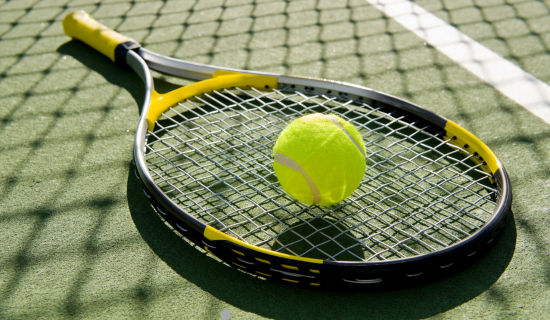
Top Tennis Technology Products Worth Considering
As tennis technology continues to evolve, players now have access to smart training tools that were unimaginable a decade ago. From AI-powered swing analysis to vibration-reducing accessories, these products can help improve performance and provide valuable insights into your game.
Recommended Tennis Technology Products:
✔ Smart Tennis Sensors
✔ Carbon Fiber Performance Rackets
✔ Premium Spin-Friendly Strings
✔ Smart Sports Watches
✔ Tennis Ball Machines
✔ AI Video Analysis Cameras
✔ Vibration Dampeners
✔ Electronic String Tension Meters
Whether you’re a beginner or a competitive player, investing in modern tennis technology can accelerate improvement and make training more efficient.
Frequently Asked Questions
What is the most advanced tennis racket technology today?
Smart rackets with built-in sensors, AI analytics, carbon fiber construction, and vibration dampening systems represent the most advanced technologies currently available.
Are expensive tennis rackets worth it?
Premium rackets often use superior materials and engineering, offering better performance, comfort, and durability.
What material is best for a tennis racket?
Graphite and carbon fiber are considered the best materials due to their lightweight strength and responsiveness.
Do professional players use smart rackets?
Most professionals still rely on traditional rackets during competition, although smart technology is increasingly used in training.
How does tennis racket technology improve spin?
Open string patterns, aerodynamic frames, and advanced string technologies help players generate greater spin.
Final Thoughts
Tennis racket technology has evolved dramatically from wooden frames to intelligent performance-enhancing equipment. Modern innovations in materials, frame engineering, vibration control, string design, and AI-driven analytics allow players to customize their equipment like never before.
Understanding these technologies helps players choose the right racket, improve performance, and enjoy the game more effectively. As innovation continues, the future of tennis rackets promises even greater personalization, smarter training tools, and enhanced on-court performance.