


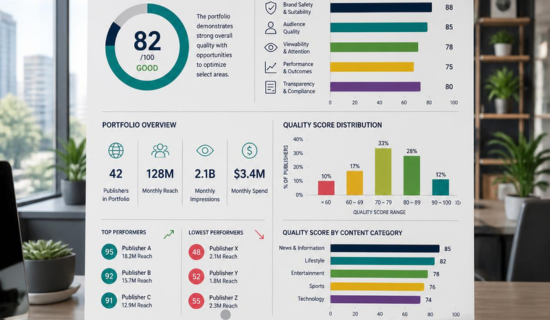
Publisher Portfolio Quality Assessment: A Complete SEO Guide
Table of Contents
Selecting the right publishing partner is one of the most important decisions for businesses, SEO agencies, digital PR teams, and guest posting professionals. A Publisher Portfolio Quality Assessment helps you determine whether a publisher can genuinely improve your online visibility or potentially damage your website’s credibility.
Google’s recent ranking systems place greater emphasis on content quality, Experience, Expertise, Authoritativeness, and Trustworthiness (E-E-A-T), helpful content, and natural link profiles. This means evaluating publishers has become more important than simply checking Domain Authority or traffic numbers.
Results-Driven SEO Copywriting Services for Businesses That Want Growth

This guide explains how to assess publisher portfolios using modern SEO standards while avoiding low-quality publishing networks.
What Is a Publisher Portfolio Quality Assessment?
A Publisher Portfolio Quality Assessment is the process of evaluating a publisher’s collection of websites, blogs, magazines, or digital publications to determine whether they provide genuine value for:
- SEO campaigns
- Digital PR
- Brand awareness
- Guest posting
- Link building
- Thought leadership
- Content marketing
Rather than focusing on one website, the assessment examines the publisher’s entire portfolio to identify consistency, credibility, and long-term value.
The Complete Copywriting Blueprint for More Traffic and Conversions
Why Publisher Quality Matters More Than Ever
Google continues improving its ability to recognize:
- Artificial link schemes
- Low-value guest posts
- Private blog networks (PBNs)
- Spammy publishing websites
- AI-generated content without editorial oversight
- Thin content farms
Publishing on reputable websites helps build:
- Brand trust
- Topical authority
- Referral traffic
- Natural backlinks
- Industry recognition
- Long-term search visibility
Poor publisher choices may result in:
- Wasted marketing budgets
- Weak SEO performance
- Low referral traffic
- Unnatural backlink profiles
- Reduced trust signals
Professional seo and content writing services to Grow Your Business Online
Key Factors in a Publisher Portfolio Quality Assessment
1. Editorial Standards
A quality publisher maintains strong editorial processes.
Look for:
- Professional editing
- Original research
- Fact-checking
- Clear author guidelines
- Consistent publishing schedule
- High-quality formatting
Warning signs include:
- Duplicate articles
- Keyword stuffing
- Poor grammar
- Generic AI content
- Inconsistent formatting
The Truth About AI Copywriting Jobs: Myths, Facts & Opportunities
2. Topical Relevance
The publisher should specialize in subjects closely related to your industry.
For example:
| Business | Best Publisher Category |
|---|---|
| SaaS | Technology & Software |
| Healthcare | Medical Publications |
| Finance | Business & Investment |
| Law | Legal Websites |
| E-commerce | Digital Marketing |
| Cybersecurity | IT Security Blogs |
Relevant publishers strengthen topical authority and improve contextual link value.
On-Page SEO Checklist for New Websites: Audit & Optimization Guide

3. Website Authority
Authority should never rely on one metric.
Evaluate:
- Domain Authority (DA)
- Domain Rating (DR)
- Organic keyword rankings
- Indexed pages
- Search visibility
- Historical performance
Use multiple SEO tools instead of relying on a single score.
Interamplify SEO Agency Exposed: Better Alternatives for Faster Growth
4. Organic Traffic Quality
Traffic should be:
- Stable
- Organic
- Relevant
- Country-targeted
- Growing over time
High traffic alone doesn’t indicate quality.
Review:
- Traffic trends
- Geographic audience
- Search intent
- Returning visitors
5. Content Quality
Examine several articles.
Ask:
- Is the content useful?
- Is it well researched?
- Does it answer user intent?
- Does it demonstrate expertise?
- Is it updated regularly?
High-quality content naturally earns links and engagement.
The Ultimate Guide to Monthly SEO Services Rates and Pricing
Publisher Portfolio Evaluation Checklist
Before partnering with any publisher, verify:
✔ Original content
✔ Real editorial team
✔ Transparent author profiles
✔ HTTPS security
✔ Fast website speed
✔ Mobile-friendly design
✔ Clear contact information
✔ Privacy policy
✔ About page
✔ Natural backlink profile
✔ Consistent publishing schedule
✔ Relevant industry coverage
✔ Indexed pages
✔ Organic rankings
✔ Positive brand reputation
Assessing E-E-A-T Signals
Google rewards publishers demonstrating:
Experience
Content written from real-world knowledge.
Examples include:
- Case studies
- Product testing
- Industry experience
- Practical tutorials
Expertise
Professional knowledge shown through:
- Certifications
- Expert contributors
- Technical accuracy
- Detailed explanations
Authoritativeness
Authority comes from:
- Brand recognition
- Industry mentions
- Quality backlinks
- Trusted references
Trustworthiness
Trust indicators include:
- Secure website
- Transparent ownership
- Editorial policies
- Accurate citations
- Contact information
Link Quality Assessment
Not every backlink offers equal value.
Evaluate:
- Contextual placement
- Editorial relevance
- Anchor text diversity
- Link freshness
- Outbound link quality
- Spam Score
- Internal linking structure
Natural editorial links generally provide greater long-term SEO value than excessive promotional links.
Publisher Reputation Analysis
Research the publisher outside their own website.
Check:
- Google search results
- Industry mentions
- Social media engagement
- Brand reviews
- Community discussions
- Professional references
Consistent positive recognition is a strong quality indicator.
SEO Content Writing Freelance Made Simple: Everything You Need to Know
Technical SEO Factors
A publisher should follow technical SEO best practices.
Review:
- Core Web Vitals
- Mobile usability
- XML sitemap
- Structured data
- Canonical tags
- Crawlability
- HTTPS implementation
- Page indexing
Strong technical SEO supports better user experience and search performance.
Content Diversity
A healthy publisher portfolio includes multiple content formats:
- Guides
- Tutorials
- Industry news
- Research reports
- Case studies
- Interviews
- Infographics
- Videos
Diverse content attracts broader audiences and demonstrates editorial maturity.
Backlinks for Free: Build High-Authority Backlinks the Right Way
Audience Engagement Metrics
Quality publishers often generate meaningful engagement, such as:
- Comments
- Social shares
- Newsletter subscriptions
- Brand mentions
- Returning readers
- Time on page
While engagement metrics vary by niche, genuine audience interaction is generally a positive sign.
Common Red Flags
Avoid publishers that show:
- Hundreds of guest posts published daily
- Thin articles under 400 words
- Irrelevant outbound links
- Hidden ownership
- Excessive sponsored content
- Duplicate content
- Spammy advertisements
- Unnatural anchor text patterns
- Large unrelated niche coverage
- Sudden traffic spikes without explanation
High-Impact SEO Copywriting London for Businesses That Want Results
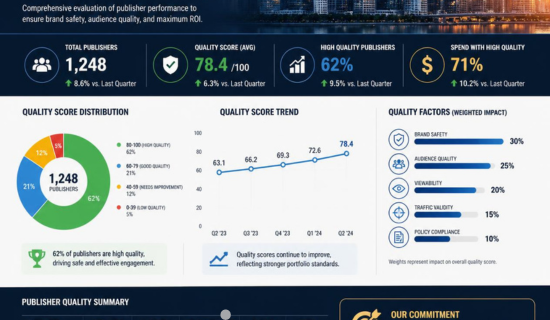
Publisher Portfolio Scoring Framework
A practical evaluation model:
| Category | Weight |
|---|---|
| Content Quality | 25% |
| Editorial Standards | 20% |
| Organic Visibility | 15% |
| Topical Relevance | 15% |
| E-E-A-T Signals | 10% |
| Technical SEO | 5% |
| Audience Engagement | 5% |
| Brand Reputation | 5% |
Score each category out of 10 to compare publishers objectively.
Top SEO Services Near Me for Small Business Growth
Best Practices for Publisher Selection
Follow these recommendations:
- Prioritize quality over quantity.
- Choose publishers aligned with your niche.
- Review multiple published articles before outreach.
- Diversify publishing opportunities across trusted sites.
- Build long-term editorial relationships instead of one-time placements.
- Monitor backlink performance and referral traffic after publication.
- Refresh published content when appropriate to keep it accurate and useful.
Frequently Asked Questions (FAQ)
What is a Publisher Portfolio Quality Assessment?
It is a structured evaluation of a publisher’s websites, editorial standards, authority, content quality, technical SEO, and reputation to determine whether they are suitable for content publishing and SEO campaigns.
Why is publisher quality important for SEO?
Publishing on trustworthy, relevant websites supports topical authority, improves brand credibility, and helps build a natural backlink profile that aligns with Google’s quality guidelines.
What are the most important metrics to evaluate?
Look beyond a single SEO metric. Assess editorial quality, topical relevance, organic traffic, E-E-A-T signals, technical SEO, audience engagement, and overall reputation.
How can I identify a low-quality publisher?
Common warning signs include duplicate or thin content, excessive sponsored posts, irrelevant outbound links, poor editorial standards, hidden ownership, and inconsistent publishing practices.
Does a higher Domain Authority guarantee a better publisher?
No. Domain Authority is only one indicator. A lower-authority website with exceptional content quality, topical relevance, and genuine audience engagement can provide more value than a higher-scoring but low-quality site.
Conclusion
A thorough Publisher Portfolio Quality Assessment is essential for building sustainable SEO, digital PR, and content marketing strategies. By evaluating editorial standards, topical relevance, E-E-A-T signals, technical SEO, audience engagement, and reputation, you can identify publishing partners that strengthen your brand and support long-term search visibility.
Instead of chasing vanity metrics alone, focus on publishers that consistently produce helpful, trustworthy, and user-focused content. This approach aligns with modern Google ranking systems and creates stronger, more resilient SEO results over time.