


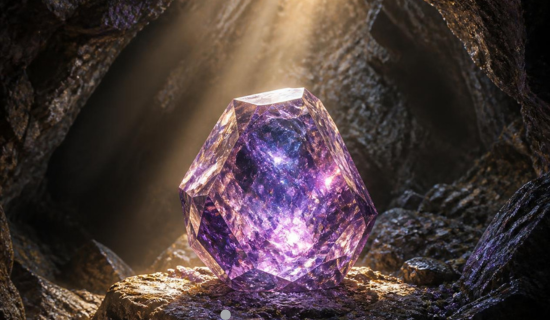
From dazzling red diamonds to the almost mythical Painite, rare gemstones have fascinated collectors, jewelers, and investors for centuries. Their exceptional beauty, limited availability, and remarkable geological origins make them some of the most valuable natural treasures on Earth. Unlike common gemstones, these rare gems are found in only a few locations worldwide, making them highly sought after by collectors and most rare gemstone luxury jewelry enthusiasts.
But what is the most rare gemstone in the world? Is rarity determined by the number of stones discovered, the difficulty of mining them, or their market value? The answer involves a combination of geology, scarcity, demand, and certification. Discover the Magical Birth Gemstone December and Its Powerful Symbolism
In this guide, you’ll discover the world’s rarest gemstones, learn why they command extraordinary prices, and understand what to consider before investing in one. Whether you’re a gemstone collector, jewelry buyer, or simply curious about these natural wonders, this article provides everything you need to know.
What Is the Most Rare Gemstone?
Table of Contents
Painite is widely recognized as one of the most rare gemstones ever discovered. Although more specimens have been identified in recent years, it remains exceptionally scarce and highly prized by collectors.
Gemstone rarity is determined by several factors, including:
- Limited natural deposits found in only one or a few regions.
- Difficult mining conditions that make extraction challenging.
- Unique chemical composition and crystal structure.
- Low production volume, with only a small number of gem-quality stones available.
- High collector demand, which further increases value.
A gemstone doesn’t have to be the most expensive to be the rarest. Some stones are incredibly scarce but are less well-known than diamonds, emeralds, or rubies, keeping demand relatively niche. Gemstone June Explained: Hidden Facts About June Birthstones You Need to Know
Quick Answer
If someone asks, “What is the rarest gemstone in the world?” the answer is generally Painite, followed closely by gems such as Musgravite, Red Diamond, and Serendibite.
Top 15 Most Rare Gemstones in the World
1. Painite most rare gemstone


6
Painite was first discovered in Myanmar in the 1950s and was What Gemstone Is June? Discover the 3 Beautiful June Birthstones once considered the world’s rarest mineral. For decades, only a handful of crystals were known to exist, making it legendary among gemstone collectors.
Key Facts
- Color: Reddish-brown to orange-red
- Primary Source: Myanmar
- Mohs Hardness: 8
- Estimated Value: Several thousand dollars per carat, depending on quality
Why Is It Rare?
Painite forms under highly unusual geological conditions involving rare combinations of minerals. Even today, gem-quality specimens remain extremely difficult to find.
Best For: Serious collectors and rare mineral investors.Powerful Guide to Gemstone Names and Colors for Beginnershttps://wonbolt.com/gemstone-with-name/
2. Red Diamond, most rare gemstone


5
Red diamonds are among the rarest colored diamonds ever discovered. Unlike most colored diamonds, their vibrant red hue is caused by unique changes in the crystal structure rather than chemical impurities. Engagement Rings Emerald: The Most Underrated Luxury Ring Design
Most natural red diamonds are less than one carat, making larger stones exceptionally valuable.
Key Facts
- Color: Pure red
- Main Sources: Australia and Brazil
- Mohs Hardness: 10
- Estimated Value: Often exceeds $1 million per carat for exceptional stones.
Why Is It Rare? most rare gemstone
Only a tiny number of natural red diamonds have been certified worldwide, making them one of the most exclusive gemstones available.
Best Solitaire Engagement Rings: Styles, Prices & Expert Tips
3. Musgravite, most rare gemstone


7
Musgravite is an exceptionally rare gemstone first identified in Australia’s Musgrave Ranges. Later discoveries in Sri Lanka, Madagascar, Greenland, and Tanzania slightly increased availability, but gem-quality stones remain extraordinarily scarce. The Truth About 2 Carat Diamond Engagement Rings (Expert Guide)
Key Facts: Most rare gemstone
- Color: Gray, green, violet, or olive
- Hardness: 8–8.5
- Major Sources: Australia, Sri Lanka, Madagascar
Why Is It Rare?
Only a small number of faceted Musgravite gemstones exist because suitable crystals are extremely uncommon.
4. Jadeite


6
Not all jade is rare, but Imperial Jadeite is among the most valuable gemstones in the world. Its rich emerald-green color, exceptional transparency, and fine texture make it especially desirable.
Historically treasured by Chinese royalty, premium Jadeite continues to set auction records.
Key Facts most rare gemstone
- Color: Emerald green, lavender, white
- Primary Source: Myanmar
- Hardness: 6.5–7
Why Is It Rare?
Only a very small percentage of mined Jadeite possesses the color, clarity, and translucency required for premium jewelry.
5. Alexandrite


6
Alexandrite is famous for its extraordinary color-changing effect. In daylight, it often appears green or bluish-green, while under incandescent light, it shifts to reddish-purple.
This remarkable optical phenomenon has earned Alexandrite the nickname “Emerald by day, Ruby by night.”
Key Facts
- Color: Green to red color change
- Sources: Russia, Brazil, Sri Lanka, Tanzania
- Hardness: 8.5
Why Is It Rare?
Natural Alexandrite with a strong color change and excellent clarity is extremely uncommon. High-quality stones larger than one carat are especially valuable, making them a favorite among collectors and luxury jewelry buyers. The Future of Moonstone Jewelry in an AI-Powered World
What Makes These Gemstones So Special?
The world’s rarest gemstones share several characteristics that distinguish them from more common gems:
- Limited geographic availability, often found in only one or two regions.
- Millions of years of geological formation under unique conditions.
- Exceptional optical properties, such as Alexandrite’s color change or the vivid hue of Red Diamonds.
- Strong collector and investment demand, especially for certified natural stones.
- High-quality specimens are exceptionally scarce, which drives long-term value.
These qualities make rare gemstones more than beautiful accessories—they are natural treasures with historical, scientific, and financial significance.
6. Grandidierite (most rare gemstone)


5
Discovered in Madagascar in 1902, Grandidierite is admired for its striking bluish-green color and remarkable transparency. While mineral specimens are uncommon, transparent gem-quality stones are exceptionally rare.
Key Facts: Most Rare Gemstone
- Color: Blue-green to greenish-blue
- Primary Source: Madagascar
- Mohs Hardness: 7.5
- Investment Potential: High for fine-quality stones
Why Is It Rare?
Gem-quality Grandidierite with excellent clarity is extremely difficult to find. Most crystals contain visible inclusions, making flawless specimens highly valuable.
7. Taaffeite


5
Taaffeite has one of the most unusual discovery stories in gemology. It was first identified after being mistaken for a spinel in a cut gemstone. This accidental discovery makes it one of the few gemstones recognized after faceting.
Key Facts
- Color: Lavender, violet, pink, and gray
- Sources: Sri Lanka and Tanzania
- Mohs Hardness: 8–8.5
Why Is It Rare?
Taaffeite occurs in extremely small quantities, and gem-quality stones are rarely found in nature. Best Solitaire Engagement Rings: Styles, Prices & Expert Tips
8. Black Opal


6
Among all opals, Black Opal is considered the rarest and most valuable. Its dark body tone creates a dramatic background that enhances flashes of red, blue, green, and gold.
Key Facts
- Color: Black with vibrant play-of-color
- Primary Source: Lightning Ridge, Australia
- Mohs Hardness: 5.5–6.5
Why Is It Rare?
Most premium Black Opals originate from a single mining region in Australia, and top-quality stones are increasingly difficult to source.
9. Benitoite


6
Benitoite is California’s official state gemstone and is prized for its brilliant sapphire-blue color and exceptional sparkle under light.
Key Facts
- Color: Deep blue
- Primary Source: California, USA
- Mohs Hardness: 6–6.5
Why Is It Rare?
Commercial deposits are extremely limited, and fine gem-quality Benitoite is seldom available on the market. Gold Tennis Bracelet: Everything You Need to Know Before You Buy
10. Red Beryl


5
Also known as Bixbite, Red Beryl is significantly rarer than emeralds because only a small number of gem-quality crystals are discovered each year.
Key Facts
- Color: Rich raspberry red
- Primary Source: Utah, USA
- Mohs Hardness: 7.5–8
Why Is It Rare?
The unique geological conditions required for Red Beryl occur in very few locations worldwide.
11. Blue Garnet


6
Blue Garnet is famous for its unusual color-changing ability. Under different lighting conditions, it may shift from blue-green to reddish-purple.
Key Facts
- Color: Blue-green with color change
- Sources: Madagascar, Tanzania, Turkey
- Mohs Hardness: 7.5–8
Why Is It Rare?
Natural Blue Garnets are exceptionally scarce, making them highly desirable among gemstone collectors. Discover the Fascinating Birthstone of June: Hidden Meanings & Stunning Beauty
12. Poudretteite


5
Poudretteite is an elegant gemstone recognized for its soft pink hues and remarkable rarity.
Key Facts
- Color: Pink to violet-pink
- Sources: Canada and Myanmar
- Mohs Hardness: 5–5.5
Why Is It Rare?
Only a limited number of transparent crystals suitable for jewelry have ever been recovered.
13. Tanzanite


6
Although more available than Painite or Musgravite, Tanzanite deserves a place on this list because it is found in only one location on Earth—the Merelani Hills of northern Tanzania.
Key Facts
- Color: Blue to violet
- Primary Source: Tanzania
- Mohs Hardness: 6–7
Why Is It Rare?
Its single-source origin means future supply is limited, increasing its appeal to collectors and investors.
14. Serendibite


7
Serendibite is one of the least-known rare gemstones, but experts consider it among the world’s rarest gem-quality minerals.
Key Facts
- Color: Dark green, blue-green, or black
- Sources: Sri Lanka and Myanmar
- Mohs Hardness: 6.5–7
Why Is It Rare?
Transparent gem-quality Serendibite is exceptionally uncommon, and most recovered crystals are too small for jewelry.
15. Jeremejevite


6
Jeremejevite is a collector’s favorite thanks to its delicate pale blue color and outstanding clarity.
Key Facts
- Color: Colorless, pale blue, or yellow
- Sources: Namibia, Myanmar, and Russia
- Mohs Hardness: 6.5–7.5
Why Is It Rare?
Only a small number of gem-quality crystals are suitable for cutting, making fine specimens highly collectible. Tennis Bracelet Diamond Prices Explained: Find the Best Value
Most Expensive Rare Gemstones Compared
| Gemstone | Estimated Value | Main Source | Investment Potential |
|---|---|---|---|
| Red Diamond | $1M+ per carat | Australia | Excellent |
| Painite | Thousands of dollars per carat | Myanmar | Excellent |
| Musgravite | Very High | Australia | Excellent |
| Jadeite (Imperial) | Auction-dependent | Myanmar | Excellent |
| Alexandrite | High | Brazil, Russia | Very Good |
| Grandidierite | High | Madagascar | Very Good |
| Black Opal | High | Australia | Very Good |
| Red Beryl | High | USA | Good |
Note: Gemstone prices vary significantly based on size, color, clarity, cut, origin, certification, and current market demand.
Why Are Rare Gemstones So Valuable?
Several factors influence the value of rare gemstones beyond their beauty.
1. Limited Natural Supply
Many rare gemstones are mined from only one or a handful of locations worldwide. As deposits become depleted, scarcity increases.
2. Unique Geological Formation
Some gemstones require millions of years and highly specific pressure, temperature, and mineral combinations to form. These conditions are exceptionally uncommon.
3. Exceptional Beauty
Features such as vivid color, transparency, brilliance, and unique optical effects—like Alexandrite’s color change or Black Opal’s play-of-color—make these gems highly desirable.
4. Strong Collector Demand
Collectors, museums, luxury brands, and investors compete for the finest specimens, especially those with recognized provenance and certification.
5. Certified Authenticity
Natural gemstones accompanied by certificates from respected gemological laboratories generally command higher prices because buyers can verify their authenticity and quality.
6. Long-Term Investment Appeal
Unlike mass-produced luxury goods, high-quality rare gemstones have a finite supply. Exceptional specimens have historically maintained or increased their value over time, particularly those with outstanding color, clarity, and rarity.
Next in Part 3: We’ll compare rare gemstones vs. diamonds, explain how to buy authentic certified gemstones, discuss the best rare gemstones for investment, answer the most frequently asked questions, and conclude with key takeaways.
Rare Gemstones vs. Diamonds
Many people assume diamonds are the rarest gemstones because of their popularity and high prices. In reality, several gemstones are significantly rarer than natural diamonds. While diamonds remain the hardest gemstone and dominate the jewelry market, rarity depends on how often a gemstone occurs in nature—not just its value.
| Feature | Rare Gemstones | Natural Diamonds |
|---|---|---|
| Availability | Extremely limited | Comparatively more abundant |
| Mining Locations | Often one or a few regions | Found in several countries |
| Investment Potential | High for exceptional specimens | Strong for premium natural diamonds |
| Jewelry Availability | Limited | Widely available |
| Collector Demand | Very high | High |
Key Takeaway: If your goal is to own something truly unique, gemstones like Painite, Musgravite, or Red Diamond are far rarer than traditional diamonds.
Best Rare Gemstones for Investment
While no investment is guaranteed, some rare gemstones have consistently attracted collectors and investors due to their scarcity and demand.
1. Red Diamond
Its extreme rarity and limited availability make it one of the most valuable gemstones in the world.
2. Painite
Painite remains a collector’s favorite because gem-quality specimens are exceptionally scarce.
3. Imperial Jadeite
Premium Jadeite has achieved remarkable auction results and remains highly desirable in luxury markets.
4. Alexandrite
Natural Alexandrite with a strong color-changing effect and excellent clarity is increasingly difficult to source.
5. Musgravite
Musgravite’s limited supply and growing recognition among collectors make it a promising long-term collectible.
Investment Tip: Focus on certified, untreated natural gemstones with excellent color, clarity, and provenance. These qualities typically have the greatest influence on long-term value.
Where Are the World’s Rarest Gemstones Found?
Rare gemstones are concentrated in a few regions known for their unique geological conditions.
- Myanmar: Painite, Jadeite, Rubies, and Serendibite.
- Australia: Red Diamonds, Black Opals, and Musgravite.
- Madagascar: Grandidierite, Blue Garnet, and Musgravite.
- Sri Lanka: Alexandrite, Taaffeite, and Serendibite.
- Tanzania: Tanzanite and Blue Garnet.
- Brazil: Alexandrite and other valuable gemstones.
- United States: Benitoite (California) and Red Beryl (Utah).
- Pakistan: The Swat Valley and Gilgit-Baltistan are renowned for producing emeralds, rubies, aquamarines, topaz, and tourmaline, making the country an important source of fine gemstones.
How to Buy Authentic Rare Gemstones
Purchasing a rare gemstone requires careful research. Use this checklist before making a decision.
✔ Buy Certified Stones
Choose gemstones certified by reputable gemological laboratories such as the Gemological Institute of America (GIA) or other recognized laboratories. Certification confirms authenticity and important quality characteristics.
✔ Purchase From Trusted Sellers
Established jewelers and reputable gemstone dealers are more likely to provide genuine stones with proper documentation.
✔ Verify Treatments
Some gemstones are heat-treated or enhanced. Ask whether the stone is natural, treated, or laboratory-grown before purchasing.
✔ Review the Return Policy
A transparent return policy offers additional confidence, especially for high-value purchases.
✔ Consider Insurance
Rare gemstones can represent a significant investment. Insurance helps protect against loss, theft, or accidental damage.
Frequently Asked Questions
What is the most rare gemstone in the world?
Painite is widely regarded as one of the rarest gemstones ever discovered due to its exceptional scarcity and limited number of gem-quality specimens.
Is Painite rarer than diamonds?
Yes. Natural Painite is significantly rarer than natural diamonds.
Which gemstone is more expensive than diamonds?
Exceptional Red Diamonds can sell for more than $1 million per carat, making them among the world’s most valuable gemstones.
Is Jade rarer than diamonds?
High-quality Imperial Jadeite is much rarer than ordinary jade and can rival or exceed the value of premium diamonds.
Are rare gemstones a good investment?
High-quality, certified natural gemstones may appreciate over time because of their limited supply and strong collector demand. However, prices can fluctuate, so buyers should research the market carefully.
Which country has the rarest gemstones?
Myanmar, Australia, Sri Lanka, Madagascar, and Tanzania are among the world’s leading sources of exceptionally rare gemstones.
Can rare gemstones increase in value?
Yes. Well-preserved, certified gemstones with excellent color, clarity, and rarity often become more valuable as supplies decline.
What is the best rare gemstone for jewelry?
Alexandrite, Black Opal, Jadeite, and Tanzanite are popular choices because they combine rarity with beauty, making them suitable for luxury jewelry.
Final Thoughts
The most rare gemstone isn’t simply the one with the highest price—it’s the one that combines exceptional geological rarity, limited availability, and enduring collector demand. From the legendary Painite and the breathtaking Red Diamond to the mesmerizing Alexandrite and the vibrant Black Opal, each gemstone tells a story that spans millions of years beneath the Earth’s surface.
Whether you’re building a gemstone collection, investing in natural treasures, or shopping for a one-of-a-kind piece of jewelry, understanding rarity, certification, origin, and quality will help you make a more informed decision. Always purchase from reputable dealers and prioritize certified natural gemstones to ensure authenticity and long-term value.
Rare gemstones are more than luxury items—they are remarkable pieces of Earth’s history that continue to captivate collectors and enthusiasts around the world.
Key Takeaways
- Painite is widely recognized as one of the world’s rarest gemstones.
- Red Diamonds are among the most valuable gemstones, with exceptional stones exceeding $1 million per carat.
- Rarity depends on natural occurrence, mining difficulty, and market availability—not just price.
- Myanmar, Australia, Madagascar, Sri Lanka, Tanzania, Brazil, the United States, and Pakistan are important sources of rare gemstones.
- Always buy certified natural gemstones from reputable sellers to protect your investment.
- Exceptional rarity, beauty, and provenance make these gemstones prized by collectors and luxury jewelry buyers alike.